

The Foundation of Reliable Business Memory
Every successful enterprise relies on an infallible memory. Over the course of a busy operational year, thousands of small details slip past—vendor agreements, client delivery notes, warranty certificates, and regulatory correspondence. Without an organized archiving system, finding a critical document when an inspector or partner asks for it feels like searching for a needle in a haystack. Establishing robust record-keeping habits protects founders from legal exposure and ensures total operational transparency.
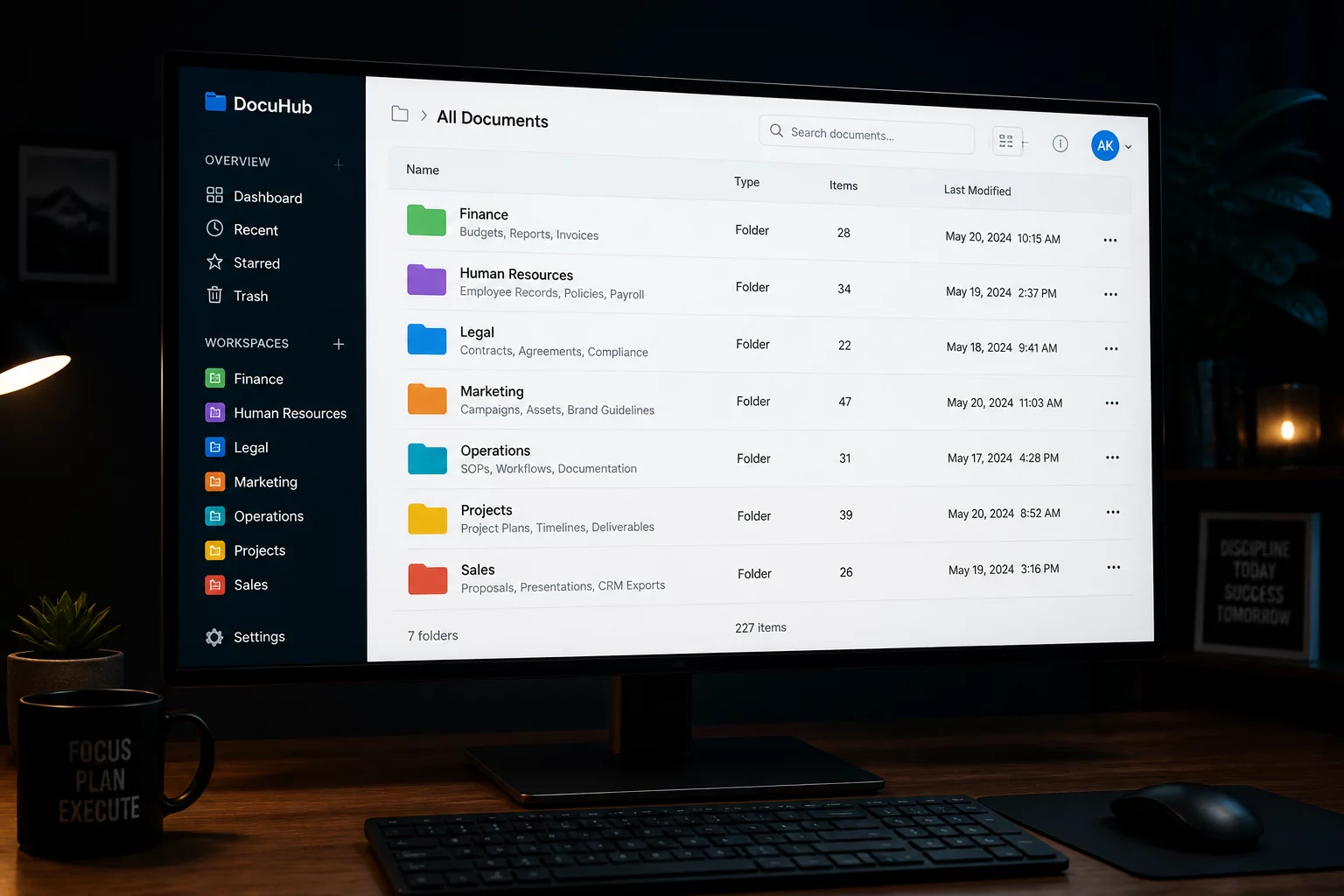
Modern record management goes far beyond stuffing dusty folders into metal filing cabinets. A hybrid approach combining secure cloud storage with clear digital folder structures allows authorized team members to access critical files within seconds. To build an enduring archival framework, implement these essential storage procedures:
- Scan and upload all physical contracts and receipts immediately upon receipt.
- Use a standardized naming convention that includes dates, vendor names, and category tags.
- Restrict folder access permissions based on employee roles and departmental needs.
- Schedule automated cloud backups every night to prevent catastrophic data loss.
- Perform regular integrity checks on archived files to ensure formats remain readable over time.
When your digital and physical archives are organized with military precision, administrative stress vanishes. You spend less time hunting down lost paperwork and more time focusing on strategic expansion.
Furthermore, clear document management simplifies every external review or partner inquiry. When a stakeholder requests proof of past transactions or compliance certificates, you retrieve the correct file instantly, projecting professionalism and reliability.
Maintaining Historical Integrity Over Decades
As ventures mature, the volume of archived material grows exponentially. Without periodic cleanups, storage systems become cluttered with outdated files that slow down daily searches. Establishing a retention schedule helps determine how long specific document types must be kept based on legal guidelines and internal operational needs.
Train your administrative team to review archived folders annually, securely purging files that have exceeded their required retention period while safeguarding permanent historical records. This disciplined maintenance keeps your information ecosystem lean, secure, and lightning-fast.



1 Comments
Kent Long
Standardizing our file naming conventions saved our sanity during our last partner review. Excellent advice!